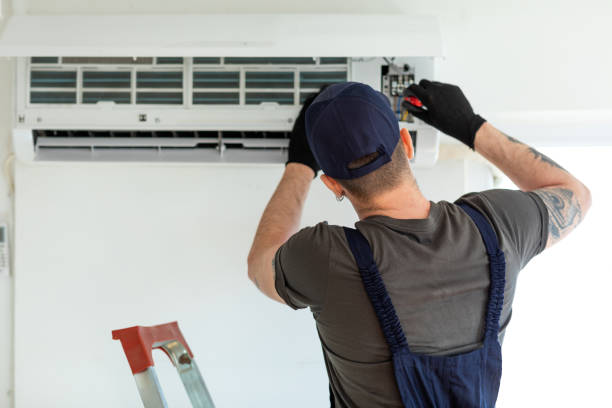
Mapping the Modern HVAC Contractor Landscape: A Homeowner’s Decision Guide
Assessing the HVAC contractor landscape starts with scoping your home’s needs and the limits of your existing system. Age, noise, uneven temperatures, and rising utility bills are signals worth documenting. Before requesting quotes, verify model numbers, filter sizes, and thermostat settings so conversations begin with facts. That early homework narrows options across HVAC Repair, AC Maintenance, and longer-range planning like HVAC Replacement when efficiency or reliability concerns persist.
Meanwhile, budgeting benefits from a phased mindset. Small, targeted fixes can buffer immediate discomfort, while larger upgrades can be sequenced around seasonal demands. Ask providers to separate must-do safety items from efficiency enhancements so you can align cash flow with comfort goals. In practice, many homes gain immediate value from Heating Maintenance and Air Duct Cleaning, then refine long-term choices after baseline performance improves.
Beyond that, compatibility is crucial. Duct sizing, return placement, and airflow balance influence comfort more than nameplates alone. Good contractors measure static pressure, inspect duct leakage, and validate load calculations before recommending AC Replacement or Heating Replacement. Accurate scoping avoids oversizing, protects dehumidification, and reduces cycling. That diligence also helps fit modern controls without creating nuisance lockouts or uneven zoning.
Often, maintenance cadence sets the tone for system longevity. Seasonal AC Repair or Heating Repair should be paired with scheduled HVAC Maintenance to catch drifting refrigerant charge, weak capacitors, or fouled coils early. Clean filters and calibrated thermostats reduce strain, while documented service history aids warranty claims. Ask for a written maintenance checklist so you can verify what was inspected and what trends emerged.
Then, air quality deserves just as much attention as temperature. Duct cleanliness, filter MERV ratings, and fresh air strategies shape health and dust control. When Air Duct Cleaning is considered, verify access points, sealing practices, and post-clean photos. A contractor who can inspect, sanitize as needed, and reseal joints helps protect coil surfaces and maintain airflow, reducing noise while improving comfort consistency room to room.
However, project timing can determine success. Off-peak scheduling may offer better availability, and mild-weather windows allow for thorough commissioning without rushing. Ask about lead times for parts, permit requirements, and inspection stages. A clear sequence—from demo and set to line-set work and startup—keeps surprises in check. Plan for temporary cooling or heating if your household has sensitive schedules or health needs during downtime.
Then again, documentation is your insurance policy. Request model and serial numbers, startup readings, and test results such as temperature split and static pressure. Capture photos of filter orientation, shutoff locations, and condensate routing. Those details help future technicians diagnose faster and prevent repeat trips. When combined with a simple owner log, your system history becomes a practical tool rather than an afterthought.
Finally, evaluate vendor fit beyond price. Responsiveness, clarity, and transparent scope definitions are markers of professionalism. Ask how they handle callbacks, what their training pipeline looks like, and how they stage parts for common failures. A provider who can phase work, maintain clean sites, and communicate next steps reduces stress. That service style becomes critical during urgent moments when Heating Maintenance or emergency service is required.
Meanwhile, lifecycle planning preserves value. Consider where you are on the arc from tune-ups to replacements. A mature furnace with rising repair frequency may justify preemptive Heating Replacement before peak season. Conversely, a newer condenser might benefit most from AC Maintenance and targeted airflow improvements. Calibrate your decisions with utility rates, comfort goals, and anticipated occupancy to avoid reactive spending.
In practice, the best outcomes come from aligning performance targets with realistic operations. Verify that controls are user-friendly, filters are easy to access, and drain lines are pitched correctly. Inspect exterior clearances and shade considerations that affect efficiency. When you validate these fundamentals and keep records current, you reduce rework and enjoy steadier comfort, whether you’re planning HVAC Replacement or simply refining a maintenance routine.